
If you've ever wondered why do I sweat so much from my armpits, the short answer is that your underarms are running two sweat systems at once. The longer answer involves stress hormones, genetics, and a common mix-up between deodorant and antiperspirant that keeps a lot of people drenched despite doing everything they think is right. Let's get into what's actually happening and what can help.
TLDR:
- Your armpits sweat more than other areas because they pack two types of sweat glands into one small patch of skin.
- Deodorant only fights odor; antiperspirant is what actually reduces how much you sweat.
- About 4.8% of Americans have hyperhidrosis (excessive sweating), according to a 2016 prevalence survey, yet only about half ever mention it to a doctor, per a 2023 disease-burden review.
- Treatments range from prescription antiperspirants to Botox to miraDry, depending on how severe your sweating is.
- Twofold is a virtual sweat clinic where board-certified dermatologists can prescribe treatment online that will then be shipped straight to you.
How Your Armpits Produce So Much Sweat
Your armpits sweat heavily because they sit on top of two kinds of sweat glands packed into one small patch of skin.
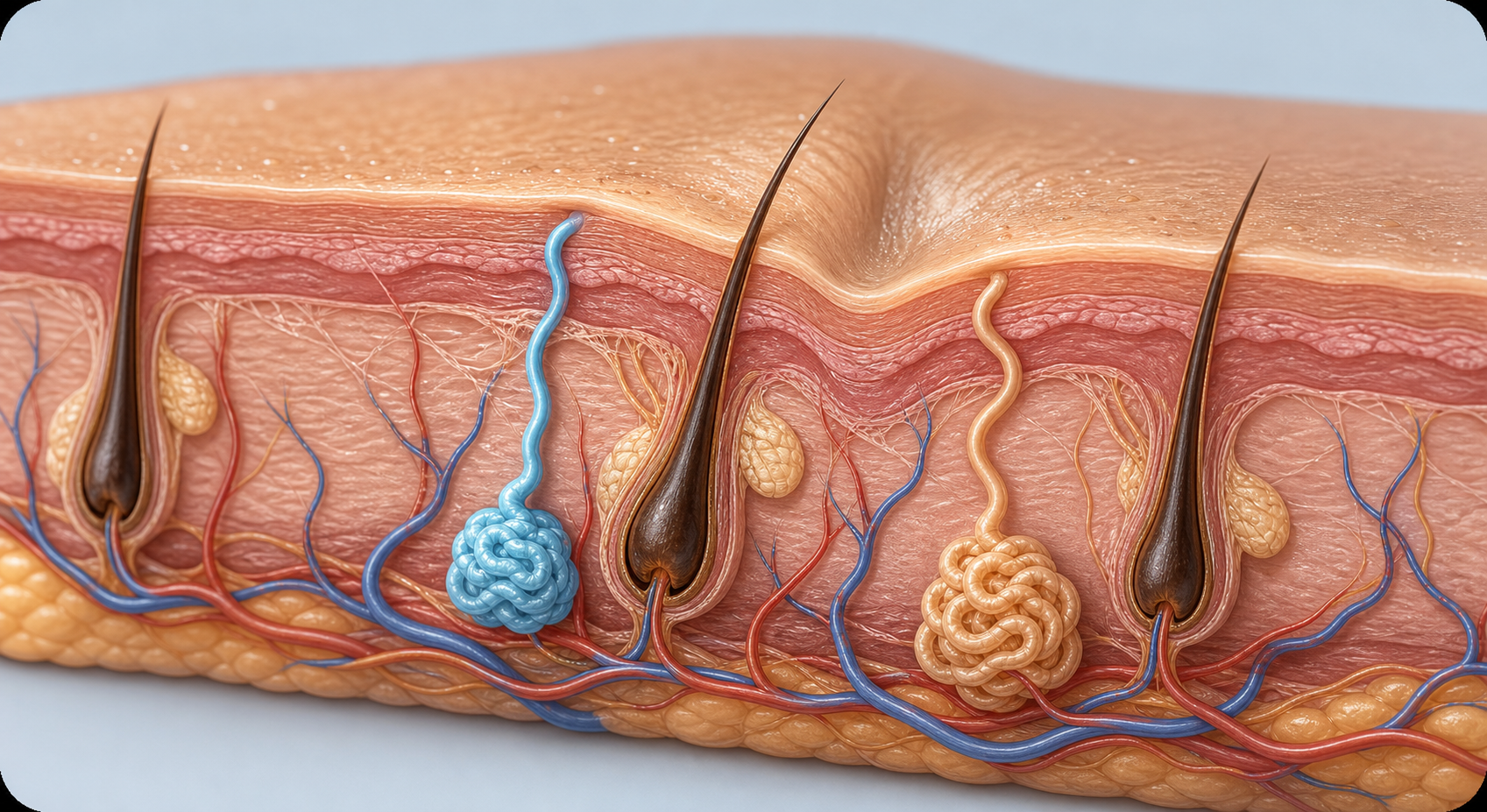
The first are eccrine glands. These are your body's cooling system, spread across most of your skin, releasing a thin, watery sweat that evaporates and drops your temperature when you overheat.
The second are apocrine glands. They cluster in hair-bearing areas like the underarms and groin, producing a thicker, milkier fluid triggered by heat, stress, and hormones.
With both types crowded together, this region pumps out more sweat than skin elsewhere, which is a key reason excessive underarm sweating is so common.
Common Causes of Excessive Armpit Sweating
Heat and exercise are the obvious ones, but plenty of triggers have nothing to do with temperature. If your underarms soak through on a cool day, one of these is usually behind it.
- Heat and physical activity: your cooling system kicks in during workouts or hot weather, and the underarms respond fast.
- Stress and anxiety: nerves fire the apocrine glands directly, and stress can make you sweat heavily even in a cool room.
- Hormonal changes: puberty, menstruation, pregnancy, and menopause all swing hormone levels in ways that ramp up sweat.
- Diet: spicy foods, caffeine, and alcohol raise your internal temperature and stimulate glands.
- Smoking: nicotine prompts the body to release acetylcholine, the messenger that tells sweat glands to switch on.
- Genetics: heavy sweating often runs in families.
For many people it is a mix, and cold-weather soaking usually points to stress or genetics instead of temperature.
Primary vs. Secondary Hyperhidrosis
Doctors sort excessive sweating into two buckets, and which one you fall into shapes what to do next.
Primary hyperhidrosis has no underlying cause. It usually starts before age 25, shows up in symmetric spots like both armpits at once, runs in families, and quiets down while you sleep. This localized pattern is the hallmark of focal hyperhidrosis. Around 4.8% of the U.S. population, roughly 15.3 million people, live with hyperhidrosis, according to a 2016 prevalence survey.
Secondary hyperhidrosis stems from a condition or medication, often shows up all over the body, and can appear suddenly in adulthood. If your armpits started soaking through out of nowhere, that abrupt change is worth mentioning to a doctor. Sudden onset can point to thyroid issues, blood sugar swings, hormonal changes, or a drug side effect.
How to Tell If Your Armpit Sweat Is Excessive
A few practical checkpoints can help you tell everyday sweat from the clinical kind. Run through this list:
- Your shirt soaks through without any exertion, leaving visible wet patches on a normal day.
- You sweat heavily at rest or in cool temperatures, even when you are not hot or moving.
- The sweating interrupts work, dating, handshakes, or raising your arm in a meeting.
- Clinical-strength antiperspirants stop working, leaving you damp despite nightly use.
If two or more sound familiar, your sweating may cross into hyperhidrosis territory. People with hyperhidrosis are significantly more anxious and depressed than other dermatology patient groups, according to a 2020 systematic review, yet only about half ever raise it with a provider, per a 2023 disease-burden review. Naming the problem is the first step toward fixing it.
Why Your Armpits Still Sweat With Deodorant
Here is the confusion that trips up almost everyone: deodorant and antiperspirant do two different jobs.
Deodorant fights smell. It masks or slows the odor bacteria create when they break down your sweat. It does not reduce how much you sweat, which is why Reddit threads are full of people baffled that they still soak through despite daily application.
Antiperspirant cuts sweat. Aluminum salts form temporary plugs inside your ducts, slowing the flow. But even clinical-strength versions sometimes cannot keep up with true hyperhidrosis. When glands fire hard enough, choosing a strong antiperspirant for sweat control can still make a difference for milder cases.
Why Armpit Sweat Causes Odor and Staining
Fresh apocrine sweat has no smell at all. The stink starts after it reaches the surface.
That thicker fluid carries proteins and fats, and the bacteria on your skin feed on it. As they break it down, they release the sour, musky compounds you know as body odor. Warm, damp, covered skin lets those bacteria multiply fast.
Staining takes a separate path. Compounds in apocrine sweat oxidize in air and react with the aluminum in antiperspirant, leaving stubborn yellow marks on shirts. Heavier sweating means more residue, which is why the sweatiest people fight the worst stains.
Lifestyle Changes That Can Reduce Armpit Sweat
Before reaching for a prescription, a few habit changes can take the edge off. None of these stop hyperhidrosis, but they help.
- Wear breathable natural fibers like cotton instead of synthetics that trap heat against your skin.
- Stay hydrated so your body cools itself more easily throughout the day.
- Cut back on caffeine, alcohol, and spicy food, all common sweat triggers.
- Manage stress with regular exercise and slow breathing techniques.
- Apply antiperspirant to clean, dry skin at night instead of the morning, when it absorbs best.
Over-the-Counter and Prescription Antiperspirants
If lifestyle tweaks and daily deodorant fall short, antiperspirants are the next rung, and they climb in two steps.
Over-the-counter clinical-strength products like Certain Dri and SweatBlock use aluminum chloride to plug ducts and suit mild cases. For a breakdown of antiperspirants for excessive sweating, see our comparison guide. When diagnosed hyperhidrosis outpaces them, dermatologists reach for prescription strength like Drysol, 20% aluminum chloride hexahydrate, applied nightly to dry skin for best absorption.
The catch is irritation. Burning, stinging, and contact sensitization are common enough to make some people quit.
Medical Treatments for Excessive Armpit Sweating
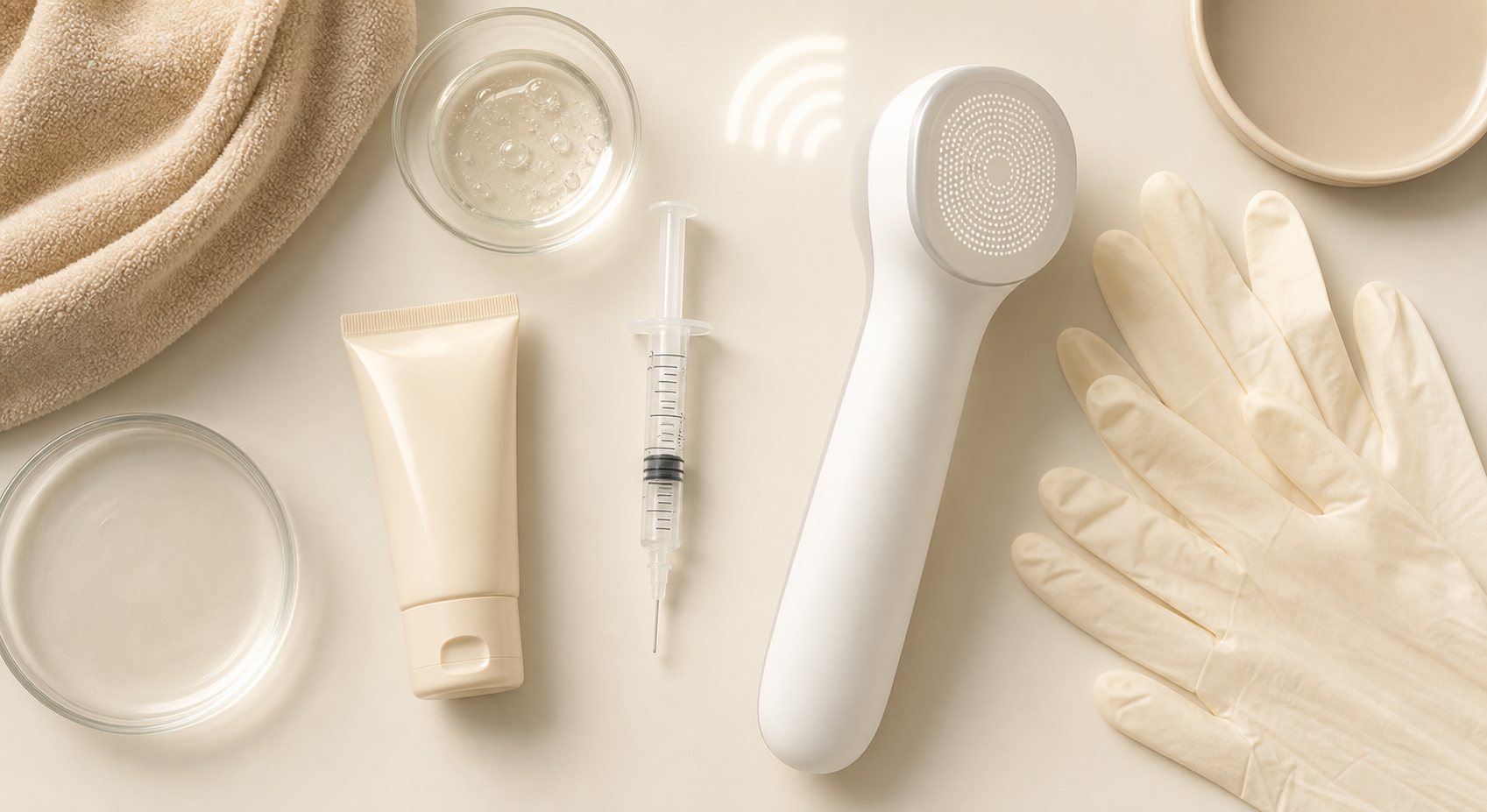
When antiperspirants stall, dermatologists move up a ladder matched to how severe your sweating is and how many areas are involved.
| Treatment | Best for | Trade-off |
|---|---|---|
| Topical anticholinergics (compounded gel through Twofold, Qbrexza, Sofdra; the latter two are FDA-approved for underarms) | Mild to moderate, one or more zones | Daily use; possible dry mouth, mild skin irritation |
| Oral anticholinergics (glycopyrrolate, oxybutynin) | Moderate to severe or whole-body | Systemic side effects like dry mouth |
| Iontophoresis for hyperhidrosis (low current through water) | Palms and soles mainly | Repeated sessions, ongoing time commitment |
| Botox for hyperhidrosis | Underarm sweat, strong evidence | Typically lasts 3 to 6 months (up to 12 in some cases1), needs repeating, costly |
| Microwave thermolysis (miraDry) | Underarms only, near-permanent | Costly, in-office, some downtime |
| Surgery (ETS) | Severe, treatment-resistant cases | Compensatory sweating in 36.5% to 90% of cases, costly |
Surgery sits at the bottom for a reason. It is irreversible, so most people work down the gentler rungs first.
When to See a Doctor About Armpit Sweat
Most heavy sweating is harmless, but a few patterns deserve a professional's eyes. Book an appointment if any of these describe you:
- Your sweating started suddenly in adulthood with no obvious trigger.
- You soak the sheets at night, since primary hyperhidrosis usually quiets down during sleep.
- Sweating comes alongside unexplained weight loss, fever, or a racing heart.
- You have already cycled through clinical-strength antiperspirants without relief.
A dermatologist can sort primary from secondary sweating and match you to the right treatment. You can also find the full range of options in this guide on how to stop sweating. This is rarely urgent. The exception is sweating paired with chest pain or trouble breathing, which needs emergency care right away.
How Twofold Can Help With Excessive Armpit Sweating
If antiperspirants have let you down and you would rather skip the waiting room, this is where we come in. Twofold is a virtual sweat clinic connecting you with board-certified, sweat-specialized dermatologists entirely online.
A flagship treatment available through Twofold's partners is a compounded topical oxybutynin 8% gel, applied once nightly. It blocks the acetylcholine signal that tells your sweat glands to fire. Because it is compounded, the product is not separately FDA-approved, and its use for sweating is off-label, which is common in dermatology.
Here is how it runs:
- A dermatologist reviews your online intake within about 24 hours, no live appointment needed.
- Medication ships in 2 to 5 business days.
- Plans are $150 for a 3-month supply ($50/mo), free shipping, no insurance required, with unlimited follow-up messaging.
When a topical is not the right fit, the dermatologists also prescribe glycopyrrolate for hyperhidrosis or extended-release oxybutynin. Most people notice change within 1 to 2 weeks and full results by around 4 weeks, though sweating returns if you stop.
Final Thoughts on Stopping Excessive Underarm Sweating
Armpit sweat is one of those things people quietly deal with for years before realizing there are actual treatments for it. The good news is that dermatologists have a full toolkit, and most people find something that works. Your starting point is just figuring out what kind of sweating you are dealing with.
FAQ
Why do my armpits sweat so much even with deodorant?
Deodorant fights odor but does nothing to reduce how much you sweat. It has no effect on your sweat glands at all. Antiperspirant is the product that cuts sweat, using aluminum salts to temporarily plug ducts, but even clinical-strength antiperspirant can fall short when true hyperhidrosis is involved. If you're soaking through despite nightly antiperspirant use, your sweating may have crossed into hyperhidrosis territory, which responds better to prescription treatments than over-the-counter products.
Why are my armpits sweating so much all of a sudden even when I'm not hot?
Sudden-onset excessive sweating in adulthood, especially at rest or in cool temperatures, is one of the signs that point to secondary hyperhidrosis, meaning an underlying condition or medication may be driving it. Common culprits include thyroid issues, blood sugar changes, hormonal fluctuations, or a drug side effect. If your armpits started soaking through out of nowhere with no obvious trigger, it's worth bringing up with a doctor.
What products actually stop armpit sweating when antiperspirant stops working?
When clinical-strength antiperspirant falls short, the next options dermatologists typically reach for are topical anticholinergics, oral anticholinergics like glycopyrrolate or oxybutynin, Botox injections, or microwave thermolysis (miraDry) for near-permanent underarm results. Twofold offers a compounded topical oxybutynin 8% gel, applied once nightly, prescribed online by board-certified dermatologists; its use for sweating is off-label and the compounded product is not separately FDA-approved. Most people using it notice a change within one to two weeks, with full results around four weeks of consistent use.
How do I stop underarm sweating naturally before trying prescription treatments?
Wearing breathable natural fibers like cotton, cutting back on caffeine, alcohol, and spicy food, staying hydrated, and applying antiperspirant to clean dry skin at night instead of the morning can all take the edge off armpit sweat. These habits won't stop hyperhidrosis on their own, but they reduce the triggers that stack on top of it. Think of them as a foundation to build on, not a replacement for treatment if your sweating is disrupting daily life.
miraDry vs. topical oxybutynin for underarm sweating: which makes more sense to try first?
miraDry uses microwave energy to destroy sweat glands in the underarms for near-permanent results, but it requires an in-office procedure, carries some downtime, and comes at a steep cost. Topical oxybutynin, available through Twofold's platform (applied at home nightly), is a lower-stakes starting point: no needles, no procedure. Most people and dermatologists work through the gentler, reversible options first before considering a permanent in-office treatment.
If you see a mistake or something you think should be updated, let us know at hello@itstwofold.com!


